



Engine Coolant Water Bypass Gasket
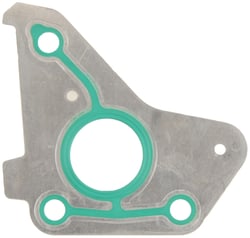

What Is an Engine Coolant Water Bypass Gasket?
Tucked away in your engine's cooling circuit, the coolant bypass gasket plays a surprisingly critical role in keeping your engine healthy from the first cold start to highway cruising. The coolant bypass passage allows coolant to recirculate within the engine without passing through the radiator — particularly when the engine is cold and the thermostat is still closed. This internal loop ensures that all cylinders warm up evenly and prevents dangerous hot spots from developing before the thermostat opens to engage the full cooling circuit.
The bypass gasket seals the junction where this bypass passage meets the water pump, thermostat housing, or engine block. Without a proper seal at this connection point, coolant can leak, causing gradual coolant loss, inconsistent engine temperatures, and — in more serious cases — overheating and potential engine damage. Because the bypass circuit operates under both heat and pressure throughout the engine's life, even a small gasket failure can cascade into a costly repair.
Why Bypass Gaskets Fail — and When to Replace Them
Like all rubber and fiber sealing components in the cooling system, bypass gaskets are subject to constant thermal cycling — expanding when hot, contracting when cold — as well as the chemical environment of engine coolant. Over time, this stress causes the gasket material to harden, crack, or compress unevenly, breaking the seal. Common warning signs of a failing bypass gasket include:
- A coolant smell coming from the engine bay, particularly after the engine warms up
- Visible coolant seeping around the water pump or thermostat housing area
- A slowly dropping coolant level with no obvious external leak
- Engine temperature fluctuations or overheating under load
Bypass gaskets are also smart components to replace proactively during any major cooling system service, thermostat replacement, or water pump job — since the additional labor cost is minimal once the area is already disassembled.
What to Look For When Buying a Bypass Gasket
The most important factor when selecting a coolant bypass gasket is an exact vehicle fit. Gasket dimensions, port sizing, and material must match your specific engine and mounting surface condition. Modern gaskets are typically made from molded rubber, multi-layer composites, or specialized fiber materials engineered to resist coolant chemistry, heat, and pressure. Always confirm fitment using your vehicle's year, make, model, and engine displacement before ordering.
Top Brands for Engine Coolant Water Bypass Gaskets
Victor (Victor Reinz) is one of the most respected names in engine sealing. Founded decades ago with roots in the original OEM supply chain, Victor Reinz — now part of Dana Corporation — has built a reputation for producing gaskets that meet or exceed factory specifications. The brand's sealing products are found on vehicles across virtually every major automotive manufacturer worldwide, making Victor a go-to choice for technicians who demand reliable, OEM-quality results in cooling system repairs.
MAHLE is a global engineering powerhouse that has been developing engine components since 1920. With over 135 factories worldwide and more than 5,000 engineers dedicated to engine development, MAHLE brings a true systems-level understanding to gasket design. Their application-specific sealing approach — using a variety of materials matched to each engine's unique thermal and chemical demands — makes MAHLE bypass gaskets a trusted choice for both everyday passenger vehicles and demanding heavy-duty applications.