



Seat Belt

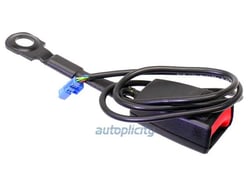
Genuine Porsche 996-803-183-09 Seat Belt Receptacle Left Front


Genuine BMW 72-11-8-119-186 Seat Belt Mount Bolt Cover Cap

 Representative Photo, actual item may vary
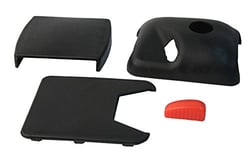




 Representative Photo, actual item may vary

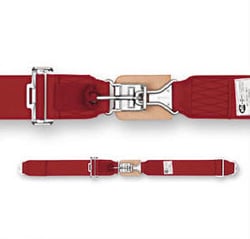
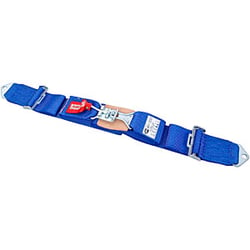
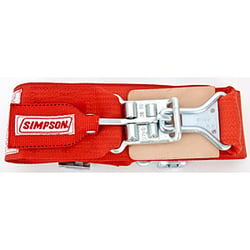
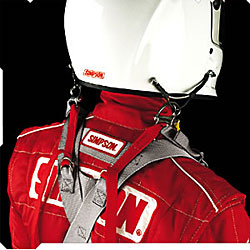
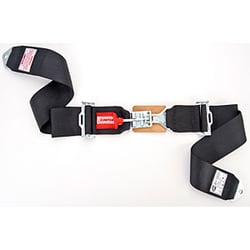
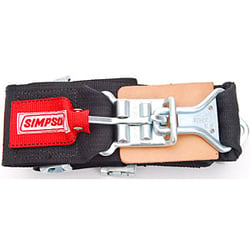
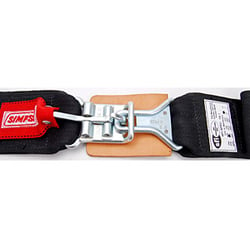
Simpson Racing Equipment 29022P L&L Lap Belt 55" Wrap Around Pull Down Platinum


Genuine BMW 72-11-1-941-407 Front Seat Belt Receptacle


Genuine Mercedes 230-540-58-05 Seat Belt Receptacle Wiring Harness
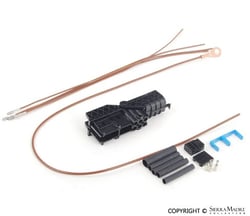
Genuine Porsche 000-043-206-06 Seat Belt Receptacle Wiring Harness Adapter
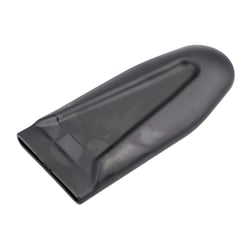
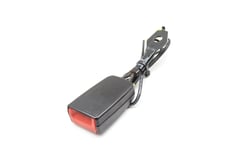
 Representative Photo, actual item may vary
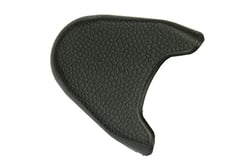

Ford Racing BB5Z7860044AC OEM Second Row Center Seat Belt Buckle End Passenger Side

 Representative Photo, actual item may vary
 Representative Photo, actual item may vary

 Representative Photo, actual item may vary


Ford DG1Z54611B69AB Rear Left Outer Lap & Shoulder Seat Belt Assembly - Dune
 Representative Photo, actual item may vary
 Representative Photo, actual item may vary
Why Your Seat Belt Is One of the Most Critical Safety Components on Your Vehicle
The seat belt is the single most proven life-saving device in any motor vehicle. While airbags, crumple zones, and stability control all play important roles in modern vehicle safety, none of them function as intended without a properly working seat belt holding the occupant in position. Whether you're replacing a worn retractor on a daily driver, restoring the interior of a classic muscle car, or strapping into a purpose-built race car, choosing the right seat belt for the application is essential.
Types of Seat Belts
Seat belts are not one-size-fits-all. The right choice depends heavily on your vehicle's intended use:
- 3-Point Retractable Belts – The standard for street-legal passenger vehicles, these combine a lap belt and shoulder belt in a single unit with a spring-loaded retractor for comfort and convenience.
- Lap Belts – A simpler two-point design commonly found in older vehicles, rear center seats, and some off-road or vintage applications.
- Racing Harnesses (4-, 5-, and 6-Point) – Designed for high-performance and motorsport use, these multi-point harnesses keep drivers firmly planted during hard cornering, braking, and impacts. They are typically used in combination with a roll cage and racing seat.
- Retractors and Hardware – Individual components for rebuilding or upgrading existing belt systems.
When Should You Replace a Seat Belt?
Seat belts should be inspected regularly and replaced if there is any fraying of the webbing, damage to the buckle or latch mechanism, a retractor that no longer retracts smoothly, or if the vehicle has been in a significant collision. Most manufacturers recommend replacing seat belts after any deployment event or high-load impact, even if visible damage is not apparent, since the internal components can be permanently deformed.
Top Seat Belt Brands
When shopping for seat belts, brand reputation matters — these components are safety-critical and need to meet or exceed applicable standards. Here are the top brands available in this category:
- SafeTboy – With the largest product selection in this category, SafeTboy offers a broad range of seat belt assemblies and replacement components suited to a wide variety of makes and models, making them a go-to source for straightforward OEM-style replacements.
- RJS Racing Equipment – A respected name in motorsport safety, RJS Racing Equipment specializes in high-performance racing harnesses and restraint systems built to meet strict sanctioning body requirements. Their products are trusted by competitors across drag racing, road racing, and off-road disciplines.
- Mopar Performance – The factory performance and parts arm of Stellantis, Mopar Performance offers seat belt solutions engineered specifically for Chrysler, Dodge, Jeep, and Ram vehicles — ensuring precise fitment and OEM-level quality for those platforms.
- Scott Drake – A premier name in classic Ford restoration, Scott Drake produces period-correct seat belts for Mustangs and other vintage Ford models, helping restorers achieve authentic factory-look results while maintaining functional safety.
- URO – URO specializes in replacement parts for European vehicles, including seat belt components for BMW, Mercedes-Benz, Volkswagen, and Volvo, offering an accessible alternative to dealer pricing without sacrificing fit and function.
What to Consider When Shopping for a Seat Belt
Always verify that any seat belt you purchase is compatible with your specific year, make, and model. For racing applications, confirm that the harness meets the certification standards required by your sanctioning body (such as SFI or FIA). For street use, look for DOT-compliant assemblies that meet Federal Motor Vehicle Safety Standards (FMVSS). Proper installation — using factory anchor points and correct torque specs — is just as important as the belt itself.